|
Happy holidays, my friends. I have been thinking about you as I recover from my knee replacement surgery. This season feels like a new beginning in several ways.
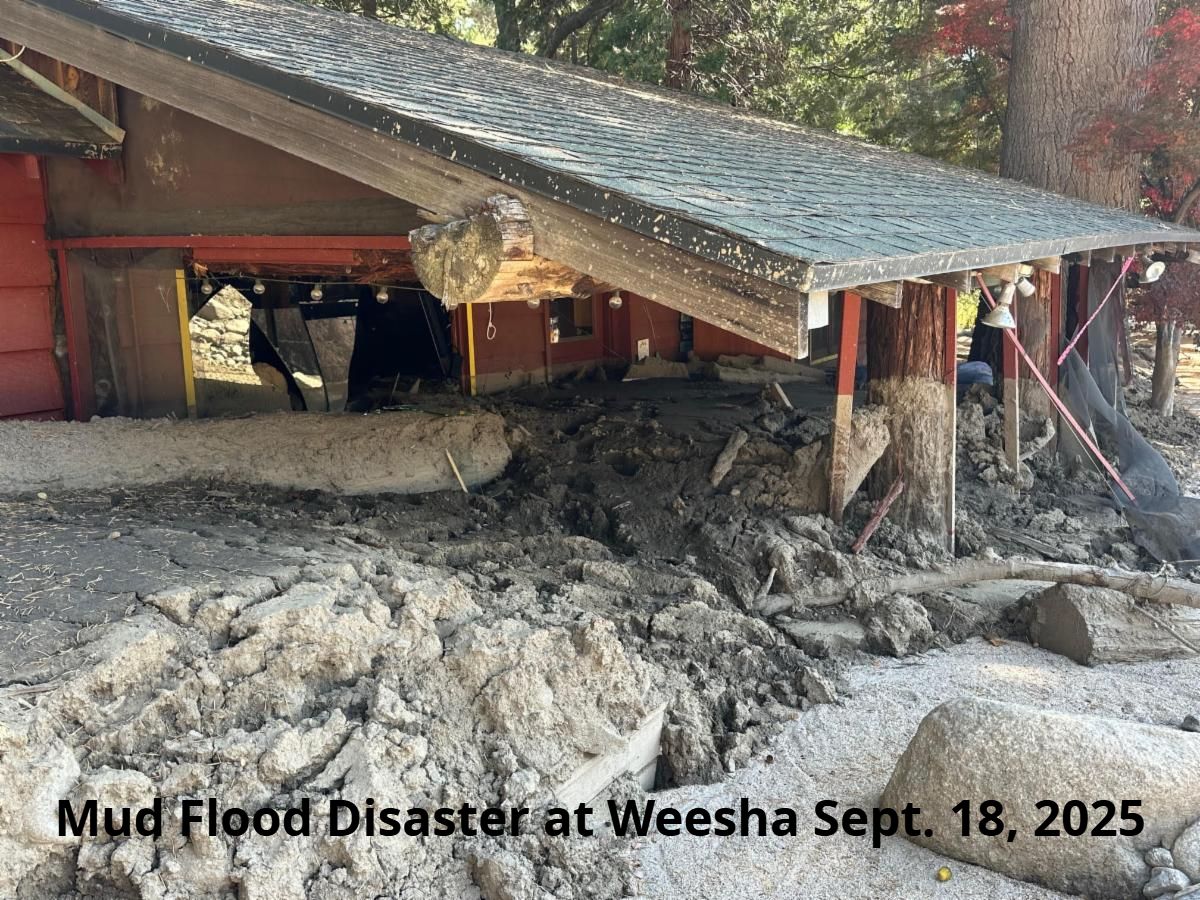
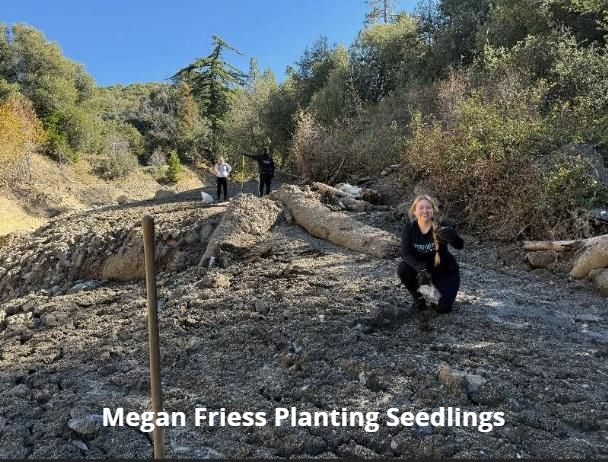
Resiliency After Disaster: You may know that our historic fishing camp on the Santa Ana River in the San Bernardino Mountains has been devastated by three natural disasters in the last 25 months: Tropical Storm “Hilary”, the massive “Line Fire”, and most recently, the September 18th, storm, “Mario”. Mario resulted in a mud/ flood that essentially destroyed a cabin and two bridges. This combined devastation to our community is the worst since the great flood of 1938. The Weesha folks are a resilient group. We recover and rebuild. We are currently digging out and planting 3000 pine and cedar seedlings. |
|
|
Recently, one of our Weesha residents offered this thought from the 1913 Nobel Laureate, R. Tagore: “The one who plants trees, knowing he will never sit under their shade, has at least started to understand the meaning of life.” It is, of course, often the case that we live to experience and cherish the shade. I am not sure it is so much knowing about the meaning of life as it is about having hope for the future. We invest in the future through our actions today. |
|
|
|
There are many ways to achieve that.
Traditions and the power of Storytelling: The season for family and friends breaking bread, coming together, and sharing stories is upon us. This could be our opportunity to plant more “seeds” into the future.
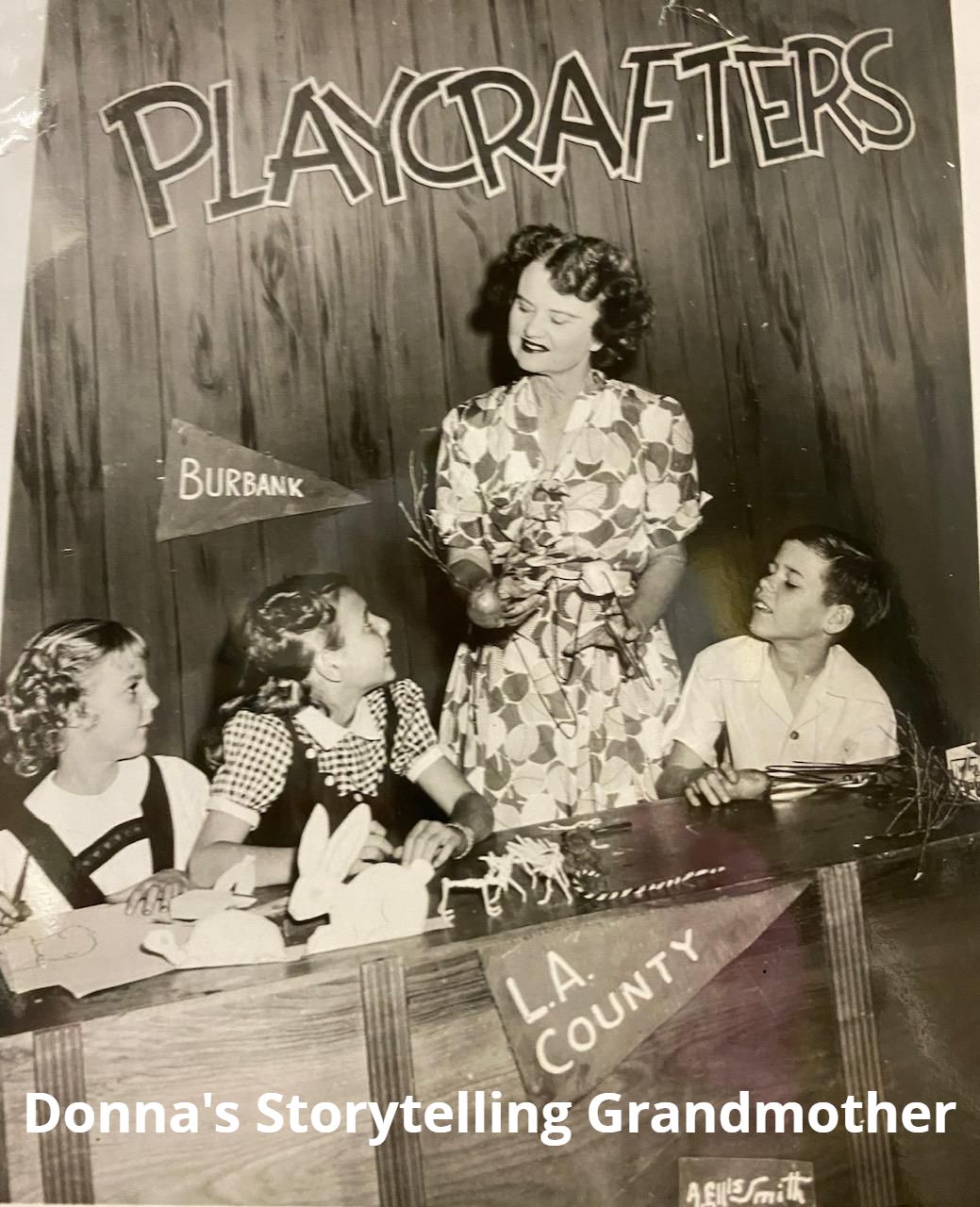
As a child I was the fortunate recipient of a rich oral history passed down by my grandparents. I realize now, as a great grandparent myself, what a rich legacy those stories and family traditions are. The tales are time-binding between the generations, serving as windows into the past. Maybe those long-ago stories are like seedlings germinating and growing into the future, allowing subsequent generations a vision of bygone people and times.
My grandmother, Maymie, loved to regale my sister and me with her grandmother’s stories. My favorite was of that far distant “great-great-grandmother”, arriving on the train in Los Angeles in 1883 with her husband and eleven children. The family was fleeing West to escape a deadly influenza epidemic raging through the Southern United States. As this relative, (I think that is now 8 generations ago), Catherine Berry Mathews, began to disembark from the train, she herded her children toward the stair well. Suddenly, she heard loud yelling from outside the train coming from the platform. The uproar escalated. She held her children back. “Oh no!” Gun shots were heard! It was terrifying. |
|
|
As the story continued, my sister and I would hold our breath. Our long-ago great-great grandmother, still holding her children back, dared to step off the train only to see that a man had been shot dead nearly at her feet!
With that horrific introduction to California, she questioned the wisdom of moving West! For her, it appeared to be a truly primitive frontier.
Our pharmacist grandfather, also a storyteller, enchanted us with tales of guns and hold-ups when living in Los Angeles before 1900. There were lots of such stories in the drug store, always with him as the victor. However, my favorite was the one about a bottle of milk. It seems our grandfather, a very tall man, was walking home late one night after closing the store. On a darkened street he was held up at gun point. Our grandfather was carrying a quart bottle of milk inside his suit coat. Not intimidated by the would-be robber, he reached toward the bottle of milk making like it was a gun. He yelled at the hold-up man to “get away!” It worked! He scared the attacker off! We loved those stories of his courage in the face of danger. |
|
The Enduring Value of Traditions: Of course, I have shared my stories with the many children in my life, planting little time capsules of my own. Our personal stories allow future generations an insight into the character of people they will never get to know.
Our traditions can have a similar time-binding impact, weaving the values of the past into the present. My friend Janet’s grandmother treasured a tablecloth on which she embroidered important events that took place using that tablecloth. She also began a graduation robe on which she embroidered the names of each of the many USC graduates in her family. The tradition has continued with the generations. It is a treasure for Janet’s family.
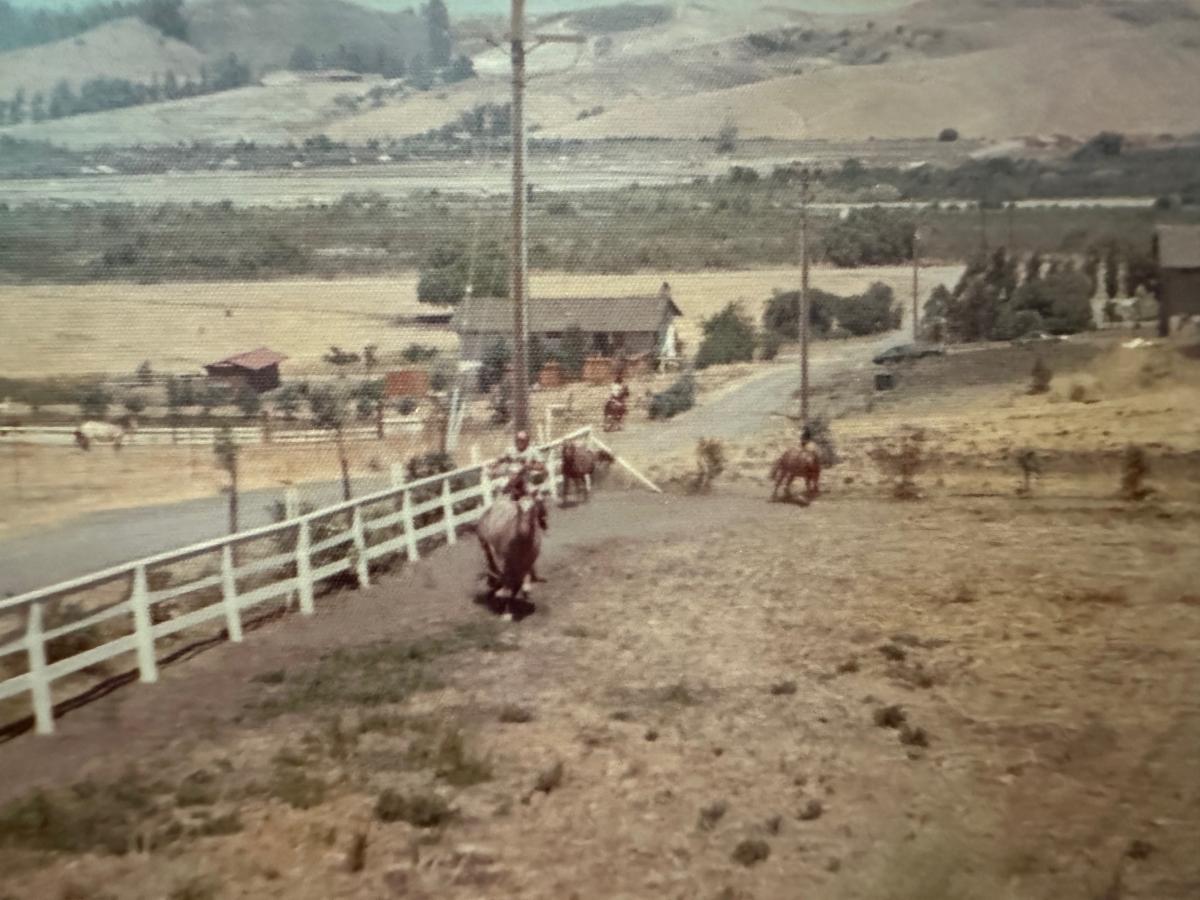
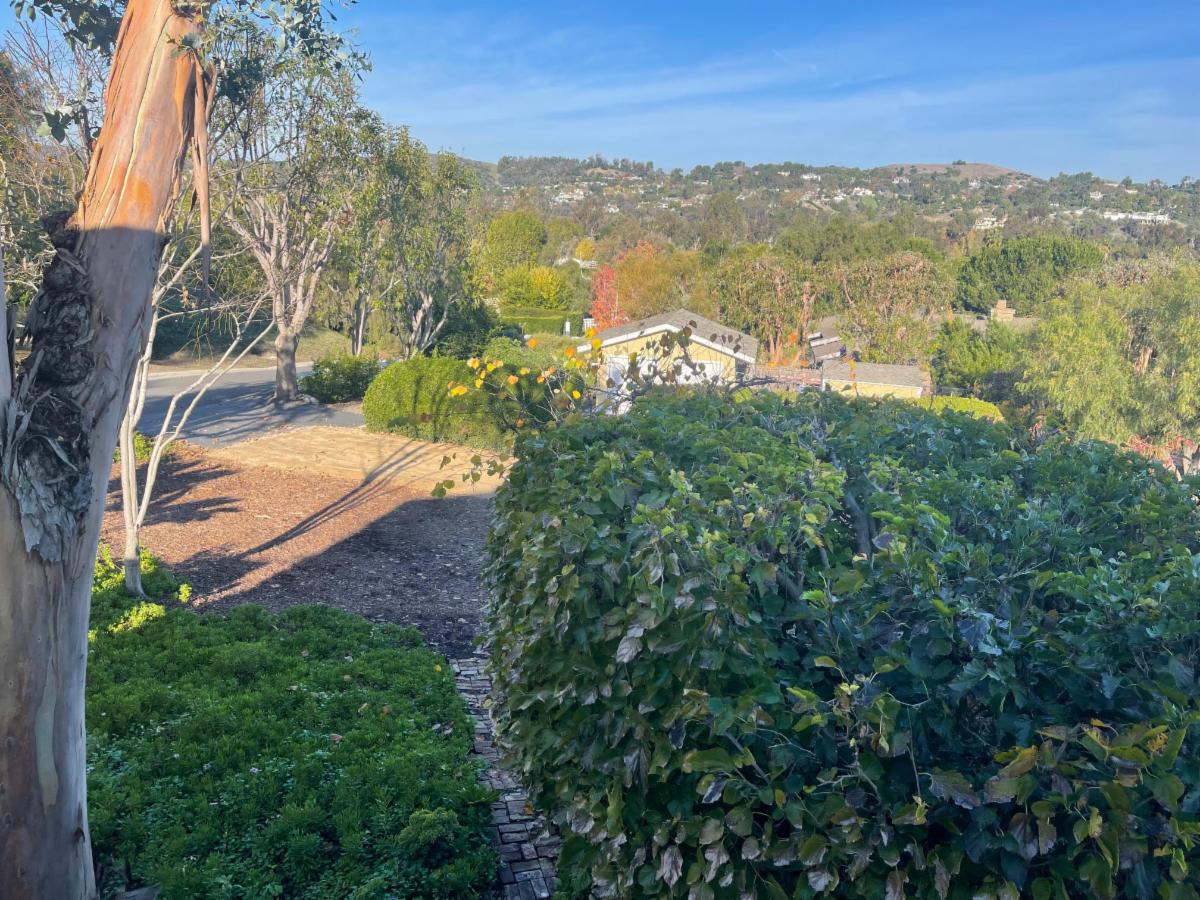
When Ken and I moved to our then rural property in San Juan Capistrano over fifty years ago, it resembled a desert scape. There were few trees other than the declining orange groves. Ken had a friend from work who grew eucalyptus trees from seeds. Intrigued by the idea, he started raising trees himself. Within a year he had dozens of seedlings in pots. He shared them with all our neighbors as he enthusiastically planted them all around our property. Ken clearly had hope for the future. All these years later, our little valley boasts a vast variety of trees which we enjoy sitting under in the shade. |
|
|
San Juan Capistrano Valley 1970's and today |
|
|
Continuing The Legacy: As we embrace the holidays, we have an opportunity to come together with friends and family: sharing our hearts, traditions, and experiences. It’s possible we could be planting seedlings that touch people we will never know. In the mean-while there are still 1100 remaining baby pine and cedar trees that we need to get into the ground.
|


