
|
Do you remember that catchy book back in the 1990’s by Dr. Spencer Johnson, Who Moved My Cheese? It speaks to our determination to remain safely within our comfort zones? It has sold over 25 million copies. If you have forgotten; try sitting in someone else’s favorite chair, you will remember that we don’t like our stuff messed with. Truthfully, our human mind does not like much change. When faced with it we get defensive. “I don’t like it, I won’t do it;” “I’m ignoring It;” “I don’t trust it, No!” |
My grandfather, Big Ray, born in the 1880’s. did not trust the “new fangled” automobiles (called motors) of his time. He refused to learn to drive. He lived to be almost 80 years old, relying on the public bus system. No “new fangled motors” for him! Had he been willing to move out of his comfort zone he would have saved himself thousands of hours waiting for the bus, and some 50 years of inconvenience just by saying yes to something new. |


|
For the past 30 years I observed my mother refusing to learn the computer. Too big an ask. She would have loved connecting with friends and broadening her world. It was just too much, and she did not trust it. Too big an ask. |
My grandpa and my mom ignored motors and computers. Tools that could have helped. In 1989 my husband purchased a computer for his construction company on which his staff could work. Ken and I were computer illiterate.
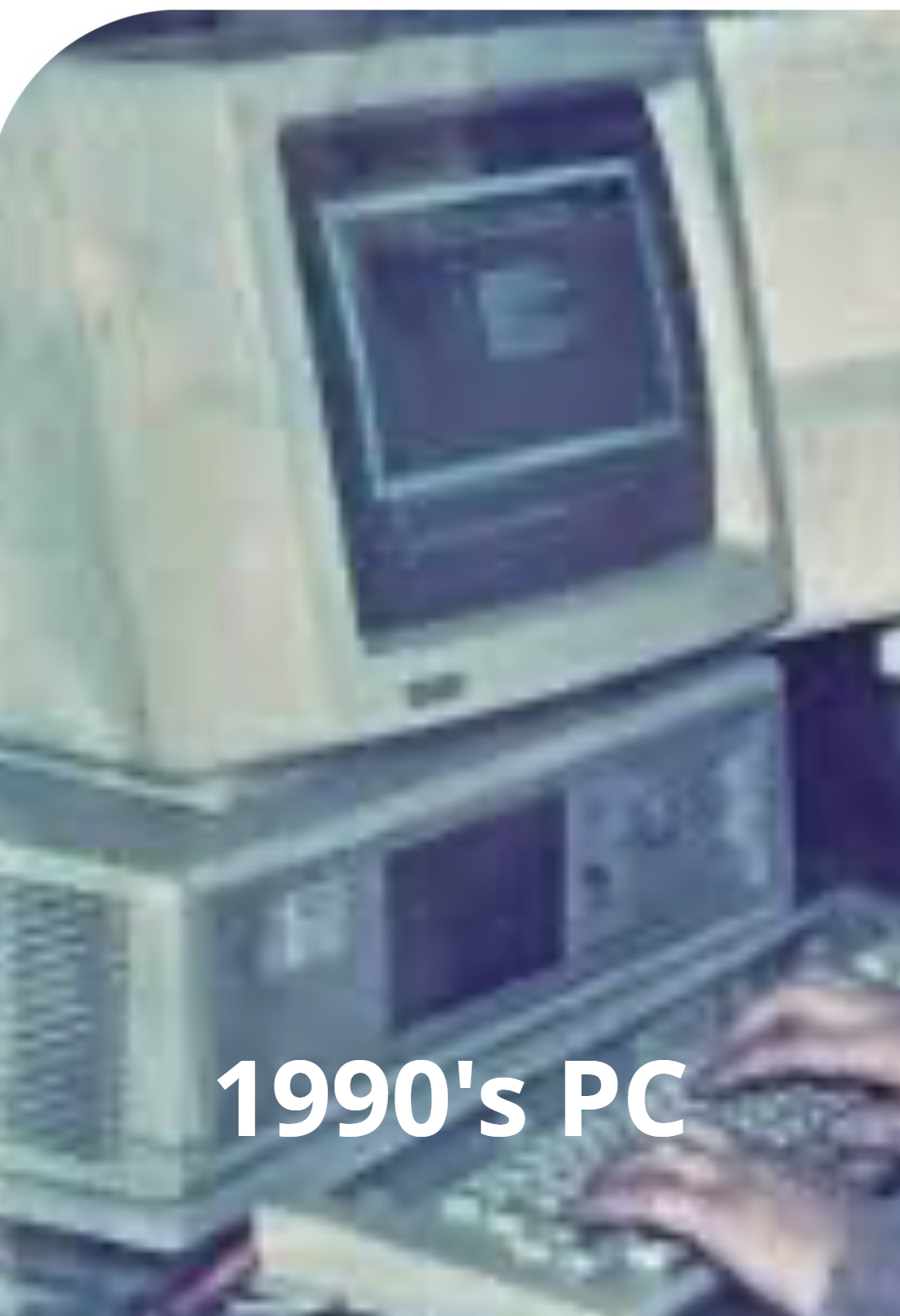
Home alone one long weekend in 1990, while Ken was away with our oldest son, Rick, I kept eyeing the computer sitting prominently in our home office. It was a curious stranger in my midst. I had decided to write a book about my early life struggles. I thought, perhaps the computer could be more help than my typewriter. |
|
It took a bit of courage on my part to get over worrying that I would break this new machine, but my curiosity was killing me. Could I work it? Long story short, by the time my guys got home, I was well into the swing of using it. |
|
By the end of that summer, employing the Word Star program that was in the computer, I had somehow completed a draft of the whole book, Cry the Darkness. It is still in print internationally. Just this quarter the German publisher sold one thousand audio versions of it. By daring to step outside of my comfort zone, I discovered a useful tool. |
|

|
It’s natural to feel resistant when confronted with something new. For sure, the recent barrage of headlines describing “The AI Revolution” are enough to drive anyone into hiding. Maybe the 50’s bomb shelters will come back into vogue? We can try to ignore AI, but I’m not sure we can. If we could, for how long? And based on my experience, why would we want to? |
|
I have been gnawing on this subject for a while now, annoying my friends and acquaintances when I bring it up. I am encountering a lot of negativity. I see friends turning away from me, dismissing the AI topic, saying: “It's scary;” “It steals jobs;” “It robs people of their creativity; “I don’t trust it.” |
Some are more positive; like my engineer friend Jerry, “I love it. It’s a useful tool.” My successful entrepreneurial grandson- in- law said, “I have my computer AI working and creating remotely while I am in the field. It develops documents and combines information for me. I can use my phone to prompt it. However, I have learned that it is only as useful as what is entered into it.”
So back to who moved our cheese? Do you sometimes feel the universe is forcing something new and scary on you? Does it feel like a giant storm system is heading your way on a collision course with your comfort zone? |

|
Artificial Intelligence has actually been around for a while. The “modern era of AI” started about 2010. Most of us have already been using it. We just haven’t recognized that it is AI. When you place your Amazon order and almost by magic it arrives on your doorstep, that is you using AI.
If you “Google” to find out something, you are using AI. Google came out on our mobile phones in 2008. If you ask Siri to place a call, or lead you to your destination, you are using AI. If you check into MyChart to see your medical test result, you are relying on AI. The same with Alexa and Uber. You are already good at using it as a tool. So, what’s the big bruhaha “Revolution” about? Perhaps it is the increasing “humanization” of the application. Perhaps it is all the media hype. |
|
In 2022 ChatGPT became available to the public. Chat is a groundbreaking tool because it allows its users to interact with it in a human-like way. It remembers what we are working on and can help us build and refine our thinking. |
|
Does AI eliminate some jobs? It probably does (does anybody remember the last time you placed a call with a live telephone operator?), but AI also allows new opportunities. In the past if a person wanted to start up a business it took an army of professionals. Today with AI, a savvy solo person can develop a start-up pretty much on their own. According to the tech column, Axios Finish Line (April 30, 2026) “The share of solo-founded start-ups climbed from 23.7% in 2019 to 36.3% by mid 2025. In March 2026 580,612 new businesses started. There are more opportunities today than ever before. |
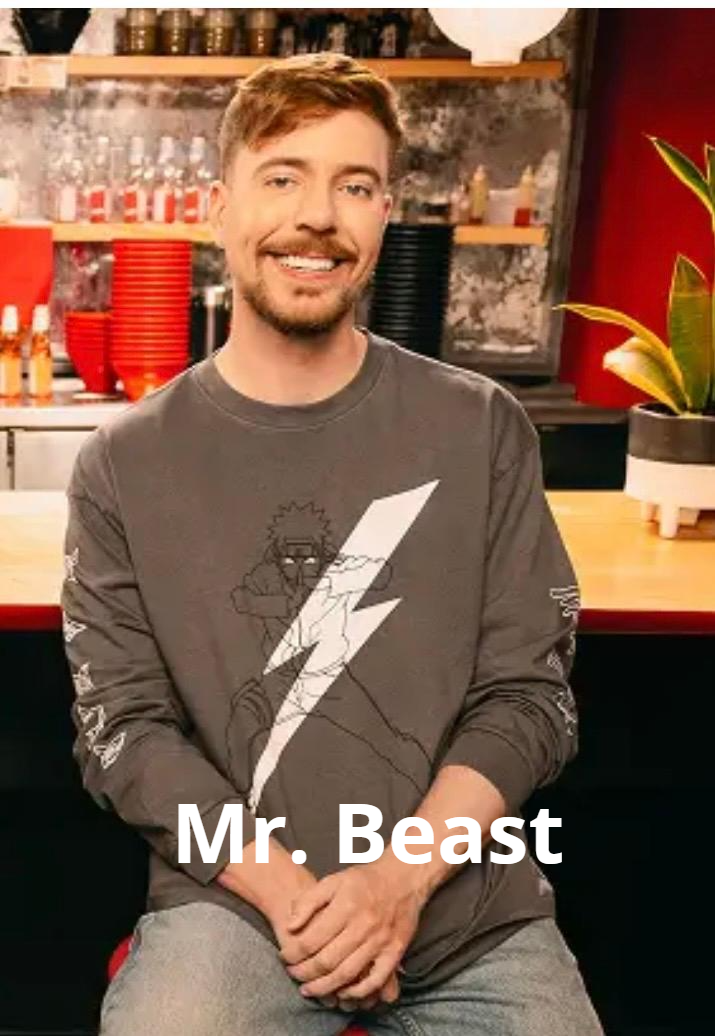
In our current world, it has been possible for a small-town teenager, filled with determination and computer skills, to become a cyber sensation in just over a decade. Jimmy Donaldson known as “Mr. Beast” did just that. He is an international superstar with half a billion YouTube followers and a net worth reported at 2.6 billion dollars. He is just 27 years old!
Interactive AI is our next new thing. My age-mates and I can remember sitting around the Philco radio listening to The Whistler while our mothers did the ironing. We can remember four-digit phone numbers. The truth is that during our lifetimes we have adapted to many changes: television, visiting the moon and Mars, cell phones, self-driving vehicles. So many “the next new things.” AI is the current one. |
|
Can it be scary? Of course. If there are bad actors out there, we need to be smart and put protections in place. We can be more vigilant in checking our credit card statements, examining our bank statements, using passwords on our accounts, frequently changing our passwords. Securing our computers when others are in our home or office We can block anyone from running credit reports using our identity. We can sign up for security companies like Experian and Credit Secure. |
|
We have the power to move our own cheese, to stretch our comfort zone to embrace the tools that are available to us. We need not live in fear. Artificial Intelligence is here to stay, and we can use it to make our lives easier. If my grandpa, Big Ray, were here today and he saw me having a conversation with Chat on my cell phone, I am thinking he would be confused. He might be double-checking his bus ticket to see where in the heck he had ended up?
Tell me how you and AI are getting along? What protections do you have in place? I love to know what you are thinking.
My best, donna |


